SHOULD I ACCEPT THE FIRST OFFER ON MY HOME?

The question almost every seller asks is: "Should I accept this, or wait and see if something better comes along?" It's one of the most common questions when selling real estate. It's also one of the most consequential decisions you'll make in the selling process.
There is a well-established rule of thumb in real estate, repeated by agents and brokers across the country: your first offer is usually your best offer.
Real estate agents consistently describe this principle as mostly true, not just a cliché, because of how buyer behavior actually works in practice.
But "usually" is doing a lot of work in that sentence. The right answer for your specific situation depends on four things:
A good agent answers all four before advising you on what to do.
To understand why the first offer so often turns out to be the strongest, you need to understand how buyers move through the market.
When a home is newly listed, it triggers alerts for every buyer who has set up search criteria matching your property. These are the most motivated, most prepared buyers in the market, people who have been watching, waiting, and ready to move. In some cases, they have already lost homes by moving too slowly, underbidding, or taking too long, have learned hard lessons and tend to come in strong when a property matches their criteria. They know the market. They've been burned before. They don't lowball homes they actually want.
Good houses, priced at market, in great condition, in good locations, move quickly even in slower markets. The internet has dramatically sped up the buying process.
Many sellers pass on a genuinely good offer in the hopes for a better one, and the better one never comes. If you pass a good offer, hoping for more, be prepared for a less favorable offer as time passes.
This doesn't mean you should panic-accept every offer. It means you should evaluate every offer with honesty and without the assumption that something better is automatically coming.
Most sellers focus almost entirely on the price. That's the wrong lens. Getting a guaranteed quick closing with no strings attached can be a better option than a higher offer with complications. Cash offers typically have fewer contingencies and provide a faster and smoother transaction process.
Here is a complete framework for evaluating any offer you receive:
Is the offer at, near, or above your asking price? How does it compare to recent comparable sales (comps) in your area? If the first offer is within 10% of your listed price, establishing a dialogue with the home buyer and attempting to negotiate is a reasonable approach.
A cash offer is almost always stronger than an equivalent or even slightly higher financed offer. Why? No lender involved means no appraisal requirement, no risk of financing falling through, and a dramatically faster closing timeline, sometimes as quick as 14 days. Cash offers typically have fewer contingencies and provide added security and certainty that comes with not depending on a mortgage approval process.
Contingencies are clauses that allow the buyer to exit the deal if certain conditions aren't met. The most common are:
• Financing contingency: buyer can exit if their mortgage falls through
• Inspection contingency: buyer can exit or renegotiate after the home inspection
• Appraisal contingency: buyer can exit if the home appraises below the agreed price
• Sale contingency: buyer needs to sell their current home first
Fewer contingencies = stronger offer, regardless of price. Another scenario where sellers may want to accept the initial offer is if it comes without any contingencies, as contingencies such as financing or inspection can introduce uncertainty and potential delays.
A larger earnest money deposit signals buyer seriousness. A buyer putting down 2–3% of the purchase price as earnest money has significant skin in the game. A buyer depositing the bare minimum may not be as committed. That being said, it’s rare for a buyer to completely forfeit their earnest money as there are often contingencies that make it refundable.
Does the buyer's proposed closing date work for your situation? A flexible or fast closing can be worth thousands of dollars in concessions if it aligns with your move-out timeline or purchase of your next property.
Is the buyer pre-approved, or merely pre-qualified? Pre-approval means a lender has verified income, assets, and credit. Pre-qualification is a much looser assessment. Your Saltaire agent will verify the strength of any financing documentation before you accept.
Here are the specific circumstances where accepting the first offer is the smart move:
If the first offer meets your price expectations, accepting it is almost always correct. If the first offer received is at or above the asking price and aligns with seller expectations and current market conditions, accepting it is often the right decision. Holding out for more when you've already received what you asked for is a gamble with poor expected value.
A clean cash offer, even slightly below asking, often outperforms a higher financed offer with multiple contingencies. The certainty of closing and not getting nit picked throughout the process is worth real money.
If your home has been on the market for a few weeks with limited showings and little other buyer interest, the offer in your hand may genuinely be the best you'll receive. This is critical market feedback to take seriously rather than dismiss.
Relocating for work, already under contract on your next home, or navigating a life transition that requires a clean, predictable close? A strong first offer removes enormous uncertainty from your situation. The premium of a hypothetical future offer rarely justifies that uncertainty.
In a balanced or buyer-favoring market, which describes much of the North Oregon Coast in 2026, the pool of active buyers is smaller, homes are sitting on the market longer, and the risk of passing on a solid offer is meaningfully higher than in a hot seller's market.
→ Not sure what the market is doing in your specific community right now? Ask a Saltaire agent: saltairehomes.com/contact
Q: Should I accept the first offer on my house?
A: In most cases, yes. Especially if the offer is at or near your asking price, comes from a qualified buyer, and contains reasonable terms. The old real estate saying that "your first offer is your best offer" is statistically grounded. Motivated, prepared buyers move quickly; the longer a listing sits, the weaker subsequent offers tend to become. That said, every offer should be evaluated on its specific merits, price, financing type, contingencies, and closing terms, not just accepted or rejected on instinct.
Q: What if the first offer is below my asking price?
A: Don't reject it, counter. An offer within 10% of your asking price is worth engaging with seriously. Pull recent comps with your Saltaire agent to confirm what the market actually supports, then counter with a price grounded in that data. Many successful sales begin with a below-ask first offer and close at a price both parties feel good about.
Q: How long should I wait for other offers before responding?
A: If your listing just went live and you have active showing appointments scheduled, it's reasonable to wait 24–48 hours to see if additional interest materializes, but not much longer. If your listing has been active for more than 7–10 days, waiting for better offers is generally a poor strategy. The buyer in front of you may be the best one you'll see.
Q: Is a lower cash offer better than a higher financed offer?
A: Often yes, depending on the gap. A cash offer eliminates appraisal risk, financing fall-through risk, and typically shortens the closing timeline significantly. For sellers who value certainty and speed, a cash offer that's $10,000–$20,000 below a financed offer may still be the stronger choice. Your Saltaire agent will help you run the math on your specific situation.
Q: What contingencies should I be most cautious about?
A: The most consequential contingencies for sellers are the financing contingency (buyer's loan can fall through), the inspection contingency (opens the door to renegotiation after inspection), and the sale contingency (buyer needs to sell their current home before closing). None of these are automatic dealbreakers, but each adds risk and timeline uncertainty. Fewer contingencies generally means a stronger offer.
Q: How is the North Oregon Coast market affecting offers in 2026?
A: The market across Seaside, Astoria, Cannon Beach, and surrounding communities is balanced in 2026, not a seller's frenzy, not a buyer's market collapse. Homes are spending more time on market than in 2021–2022, and well-priced homes are selling close to list price (Oregon's statewide sale-to-list ratio is approximately 99%). In this environment, a strong first offer from a motivated buyer should be taken very seriously. The multiple-offer bidding wars of recent years are not the current reality. saltairehomes.com/past-sales shows real outcomes we've achieved for North Coast sellers in this market.
Q: How do I know if my home is priced right before it hits the market?
A: A comparative market analysis (CMA) from a local agent is the most reliable tool. Saltaire provides free home valuations for North Oregon Coast sellers, a data-driven look at what similar homes have actually closed for in your area, giving you a realistic listing price and a clear picture of what a good offer looks like before you ever receive one.
→ Request your free home valuation: saltairehomes.com/home-valuation
Got an Offer? Let's Think Through It Together.
Saltaire Coastal Homes gives you the local expertise and straight talk to make the best decision for your situation.
→ Request a Free Home Valuation: saltairehomes.com/home-valuation
→ Learn About Selling with Saltaire: saltairehomes.com/selling
→ See Our Past Sales: saltairehomes.com/past-sales
→ Contact Our Team: saltairehomes.com/contact
Stay up to date on the latest real estate trends.
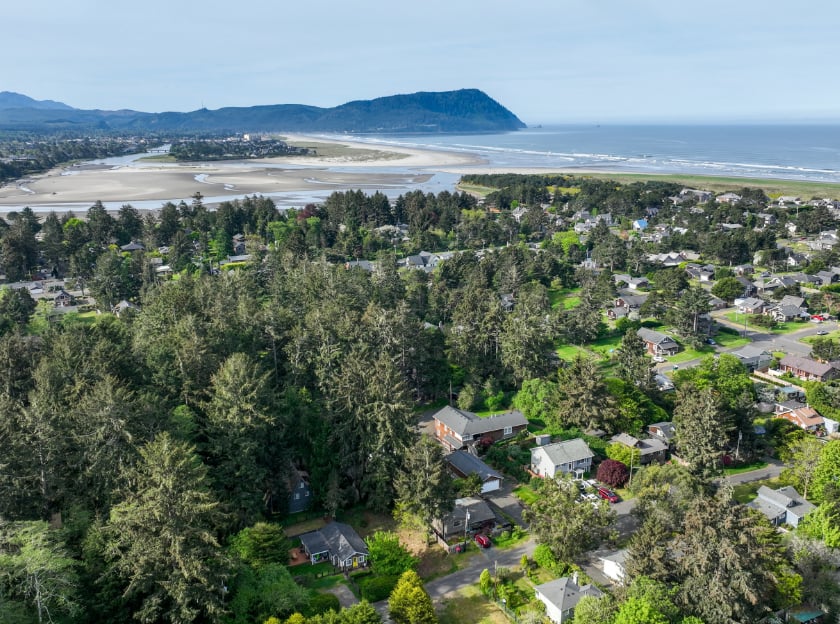
Coastal land on the Oregon Coast is some of the most regulated and can be some of the most rewarding real estate you can own. In this blog, we will teach you how to do… Read more

Seaside is one of the best family destinations on the Oregon Coast, and some of its best experiences cost absolutely nothing in 2026
The small things can make a bigger difference than most sellers expect, and they cost almost nothing compared to the potential return

Summer 2026 arrives on the northern Oregon coast with long evenings and a calendar packed with reasons to wander.
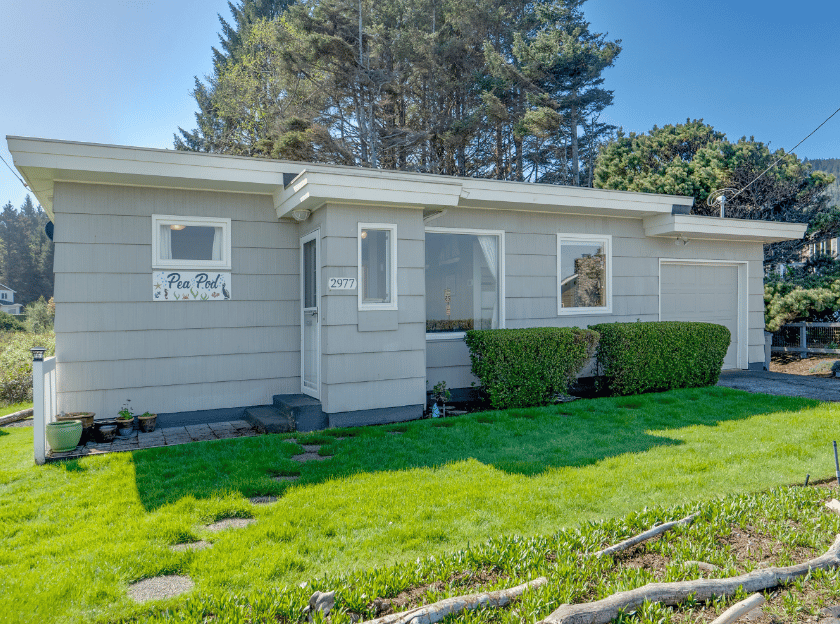
If you're buying a property in Clatsop County and vacation rental income is part of your plan, then you need to know the rules and regulations that apply to each area … Read more
The old real estate saying is "your first offer is your best offer." Here's when that's true and when it isn't. For North Oregon Coast sellers in 2026
You've got questions and we can't wait to answer them.