CANNON BEACH SUMMER BUCKET LIST
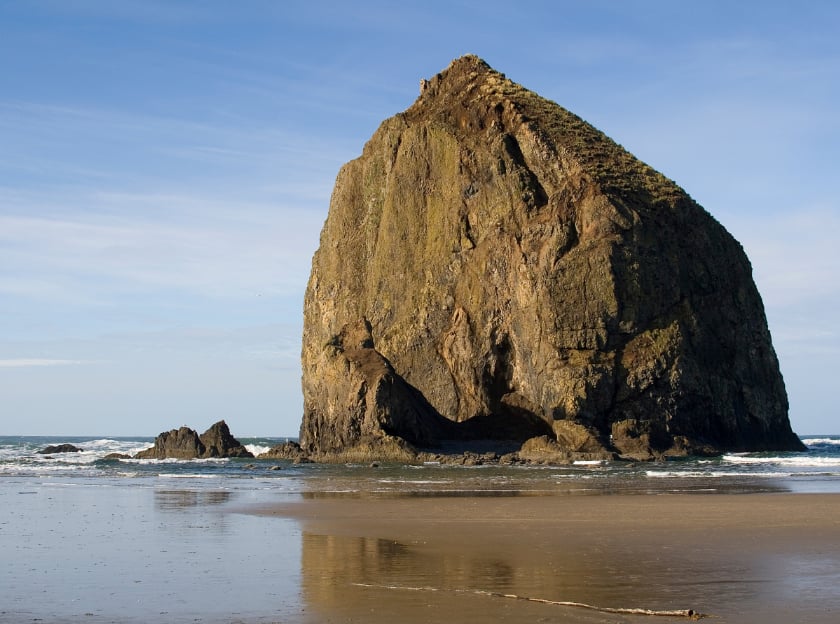
A summer trip to the North Oregon Coast offers a unique mix of rugged landscapes, diverse wildlife sighting opportunities and protected coastal ecosystems. Cannon Beach is located roughly 80 miles west of Portland via Highway 26 and Highway 101.
Because summer is the region's busiest travel season, it helps to understand local environmental regulations, current trail conditions, and preservation guidelines before you arrive.
That's why we've created this checklist of essential Cannon Beach experiences to help you make the most of your visit.
Haystack Rock is one of the most recognizable landmarks on the Oregon Coast.
Rising 235 feet above the shoreline, this basalt monolith is a defining feature of Cannon Beach. The intertidal area surrounding its base is designated as a Marine Garden and protected by the Oregon Parks and Recreation Department (OPRD).
During low tide, the receding ocean reveals vibrant tide pools filled with marine life.
Visitors may observe green sea anemones, ochre sea stars, hermit crabs, mussels, and gooseneck barnacles.
To help protect this sensitive habitat, stay on bare sand or exposed rock whenever possible. Avoid stepping in the tide pools or on living organisms such as mussels and barnacles, which can be easily damaged.
State regulations prohibit removing natural items, including rocks, shells, marine life, and driftwood, within 300 feet of Haystack Rock. Staff and volunteers from the Haystack Rock Awareness Program (HRAP) are often present during low tides to answer questions and help visitors enjoy the area responsibly.
Haystack Rock hosts one of the largest Tufted Puffin breeding colonies in Oregon and is the only Tufted Puffin colony in the continental United States visible from land, according to the U.S. Fish & Wildlife Service. These distinct pelagic seabirds spend most of their lives on the open ocean but return to the rock's grassy upper slopes each spring and summer to breed and raise their young.
The puffins are highly visible and active from April through early July, when adult pairs frequently fly back and forth to gather small fish for their burrows. Newly hatched chicks remain mostly hidden within their underground burrows to stay safe from predators like bald eagles.
By mid-to-late August, the young fledglings leave their nests under cover of darkness to return to the sea, drawing the seasonal viewing window to a close. Because the nesting sites are high up on the sheer face of the monolith, bring binoculars or a high-powered spotting scope to view them clearly without causing a disturbance.
Drones are entirely banned within the vicinity of Haystack Rock and adjacent state parks to protect nesting shorebirds and raptors from stress and disruption.
Located north of downtown Cannon Beach, Ecola State Park stretches along approximately nine miles of coastline, atop Tillamook Head. The park's forested trails wind through lush coastal rainforest and offer sweeping views of the Pacific Ocean, offshore sea stacks, and the historic Tillamook Rock Lighthouse, perched on a remote basalt island more than a mile offshore.
Visitors accessing the park by vehicle should expect to pay a day-use parking fee. There are parking areas and view points that are accessible by car and hiking is not mandatory to enjoy many of the views.
Indian Beach is a popular destination inside the park for beachcombing, picnicking, photography, and cold-water surfing.
The park's steep coastal terrain is naturally dynamic and subject to landslides. As of April 17, 2026, the western section of the Clatsop Loop Trail remains closed due to an active landslide.
Visitors should obey all posted signs and barriers for their safety. Indian Beach remains accessible via the main park road, and portions of the eastern Clatsop Loop Trail may still be open.
If you plan to hike any of the park's trails, sturdy hiking boots are recommended. Even during summer, many sections remain muddy and slippery.
Ending a summer day with a beach bonfire is a cherished Oregon Coast tradition. Fires are permitted on the open beach when conducted in accordance with regulations established by the Cannon Beach Rural Fire Protection District and the Oregon Parks and Recreation Department.
Fire must be 3 feet or less in diameter.
Fires must be located on open sand west of the vegetation line.
Maintain a minimum distance of 50 feet from dune grass, seawalls, driftwood piles, and structures.
Completely extinguish fires with water before leaving.
Do not bury hot coals under sand.
Avoid burning pallets or treated lumber. Nails, screws, and other metal fasteners often remain in the sand after the fire and can pose hazards to both wildlife and beachgoers.
Downtown Cannon Beach is known for its charming cedar-shingle architecture and locally owned businesses. Strict limits on corporate chain establishments have helped preserve the town's unique character and support a thriving community of independent shops, galleries, restaurants, and studios.
The downtown area is highly walkable, with shopping, dining, and services concentrated along Hemlock Street and Spruce Street. Visitors can browse art galleries featuring regional artists, explore independent bookstores, and enjoy local restaurants, bakeries, breweries, and specialty markets.
Parking can be challenging during peak summer weekends. To avoid unnecessary frustration, consider using one of the town's larger public parking areas:
Downtown public parking lots along Spruce Street
Public lots east of the Cannon Beach Information Center near 2nd Street
Midtown public parking near Hemlock Street and Gower Avenue
Tolovana Beach State Recreation Site parking area (a longer walk but convenient for accessing Haystack Rock)
For additional transportation and parking information, visit the City of Cannon Beach website.
Many visitors come to Cannon Beach for a weekend and leave imagining what it would be like to own a home along this remarkable stretch of coastline.
Whether you're searching for a vacation home, second home, retirement property, or full-time coastal residence, the agents at Saltaire Coastal Homes is here to help.
→ Explore Cannon Beach Neighborhoods: saltairehomes.com/neighborhoods/cannon-beach
→ Browse Cannon Beach Listings: saltairehomes.com/properties
→ Contact Saltaire Coastal Homes: saltairehomes.com/contact
Q: Can you build a fire on the beach at Cannon Beach?
A: Yes. Small recreational bonfires up to three feet in diameter are permitted on open sand. They must be placed west of the coastal vegetation line, kept at least 50 feet away from dunes or dry driftwood logs, and extinguished entirely with water before you leave.
Q: When can you see puffins at Haystack Rock?
A: Tufted Puffins are active on the upper grassy slopes of Haystack Rock from April through late August. The most reliable viewing windows occur from April through early July, when the adult pairs constantly fly back and forth to gather fish for their burrows.
Q: Do you need a pass or permit to park at Ecola State Park?
A: Yes. Ecola State Park requires a valid OPRD day-use parking permit or an annual state parks pass. Day-use permits can be purchased directly from automated credit card kiosks located at the primary park entry points.
Q: Are dogs allowed on the beach in Cannon Beach?
A: Yes. Dogs are permitted on the open beach but must remain under the direct control of their handler at all times. Handlers must carry a physical leash, keep the animal within clear sight, ensure they respond to voice commands, and immediately remove all waste.
Q: Are drones allowed near Haystack Rock?
A: No. Drones are entirely prohibited within the airspace surrounding Haystack Rock, the Oregon Islands National Wildlife Refuge, and all adjacent state park properties to protect sensitive nesting seabirds from distress.
Q: Where is the best place to find public parking on a summer weekend?
A: Large public lots are located on Spruce Street downtown, east of the Information Center along 2nd Street, and at the Tolovana Wayside to the south. Arriving before 9:00 AM is recommended to secure a spot during July and August weekends.
Stay up to date on the latest real estate trends.
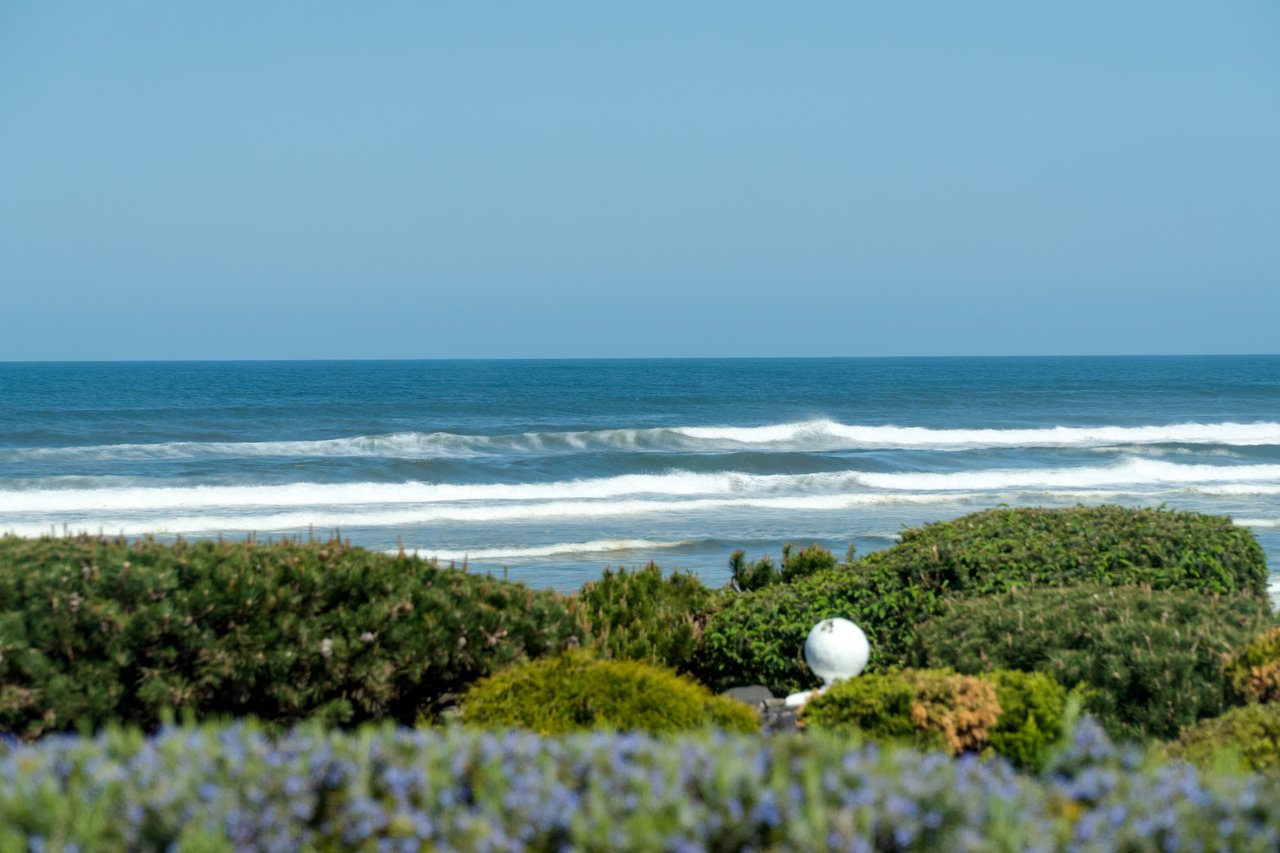
Few things compare to waking up to the sound of the ocean and watching the sunset from your own home

Independence Day takes over the North Oregon Coast in 2026, with parades and fireworks in three towns, then a full slate of summer events carrying through to the Clats… Read more
Planning a summer escape to the Oregon Coast? Explore our Cannon Beach summer bucket list, featuring seasonal wildlife schedules, hiking suggestions and insights from … Read more
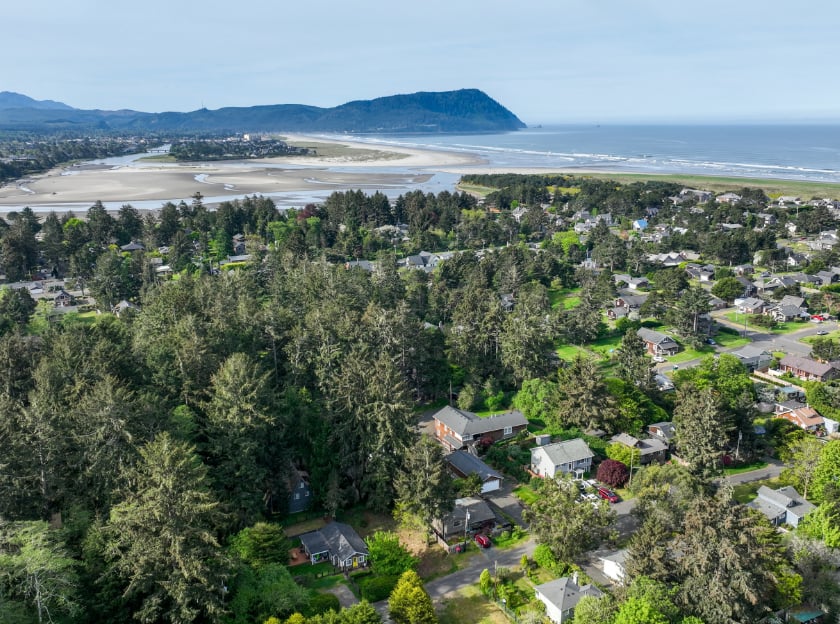
Coastal land on the Oregon Coast is some of the most regulated and can be some of the most rewarding real estate you can own. In this blog, we will teach you how to do… Read more

Seaside is one of the best family destinations on the Oregon Coast, and some of its best experiences cost absolutely nothing in 2026

The small things can make a bigger difference than most sellers expect, and they cost almost nothing compared to the potential return
You've got questions and we can't wait to answer them.