Buying a Home in Astoria, Oregon: History, Weather and Market Trends
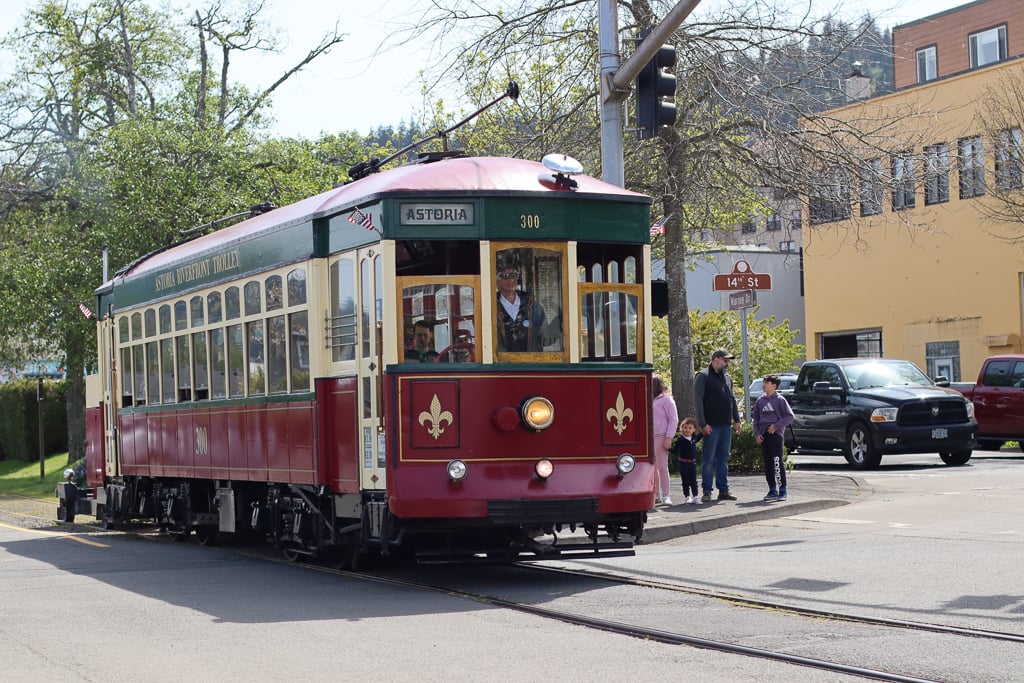
Located near the mouth of the Columbia River, Astoria is the oldest permanent American settlement west of the Rocky Mountains. The city is known for its steep hillsides, historic homes, sweeping river views, restored Victorian architecture, and art and culinary scene.
Whether you are considering Astoria as your primary residence, second home or relocation destination, it is important to understand the local housing market, weather, regulations and lifestyle before beginning your home search.
Fort Astoria was established in 1811 by John Jacob Astor’s Pacific Fur Company, becoming an important outpost for the fur trade and maritime commerce in the Pacific Northwest. A few years earlier, the Lewis and Clark Expedition spent the winter of 1805–1806 at nearby Fort Clatsop, which is now part of the Lewis and Clark National Historical Park.
Astoria’s downtown has been rebuilt more than once. Major fires in 1883 and 1922 destroyed large portions of the commercial district. As a result, many downtown buildings are constructed of concrete and reflect early-20th-century architecture. The hillsides above downtown retain a different character, with Queen Anne, Craftsman and Colonial Revival homes dating from the late 1800s and early 1900s.
That combination of maritime history, architectural character and dramatic topography gives Astoria a sense of place unlike anywhere else on the Oregon Coast.
Astoria home prices vary significantly depending on location, condition, views, architectural character and property type. Historic homes overlooking the Columbia River, acreage outside the city center, waterfront properties and homes requiring substantial renovation can occupy very different segments of the market.
Published housing figures also vary according to what is being measured. Median listing price, median sale price and automated home-value estimates are not interchangeable. For example, Zillow reported a median Astoria listing price of approximately $548,450 in August 2026, while Redfin reported a median sale price of approximately $475,000 for the three-month period ending in August 2026.
These numbers are helpful as broad reference points, but they should not be treated as precise estimates of what a particular home will cost or sell for. Astoria is a relatively small and diverse market, so a limited number of sales can noticeably affect monthly statistics. Buyers should review current listings and recent comparable sales with a knowledgeable local real estate agent before establishing a budget or determining value.
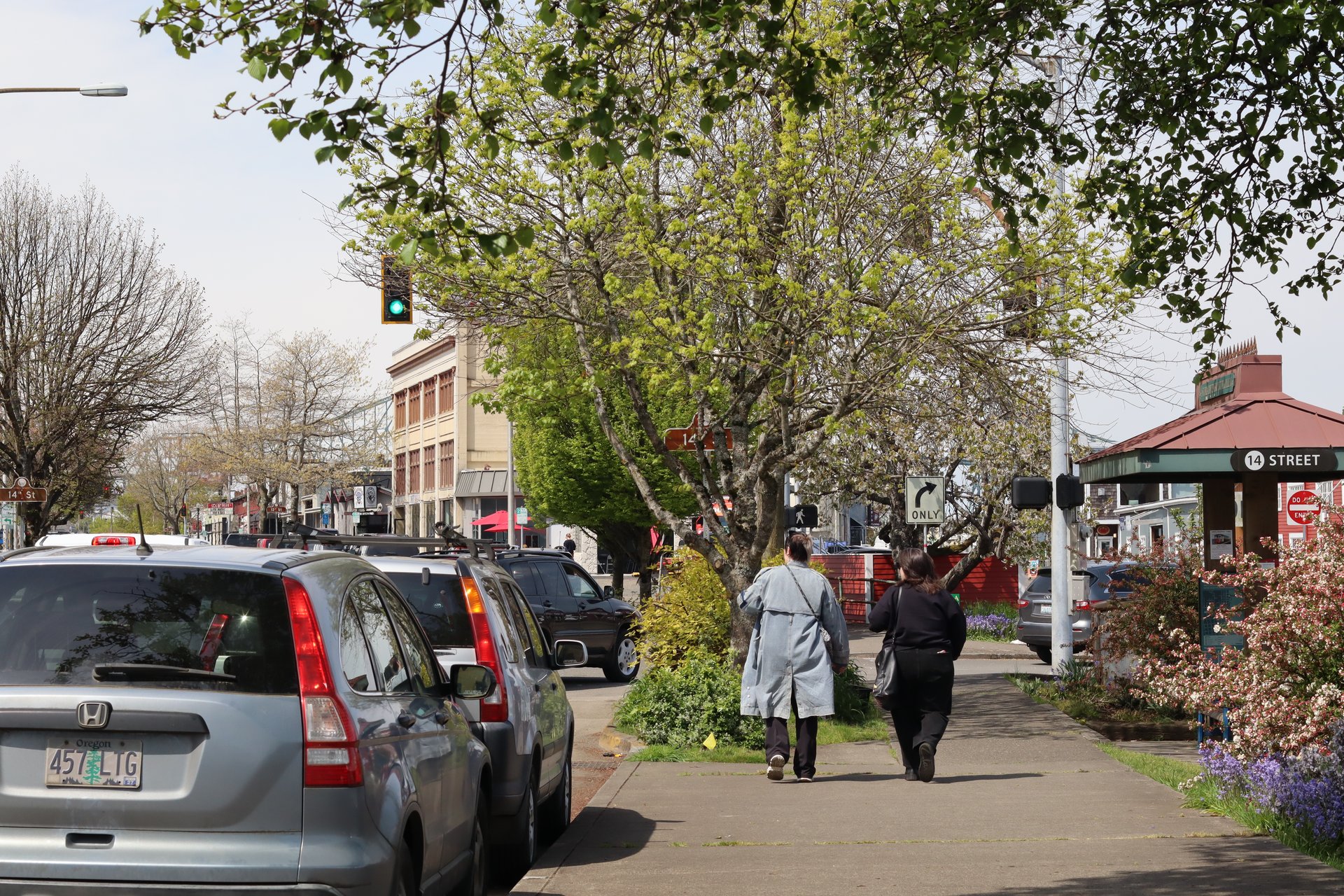
Astoria has a mild, wet maritime climate. Winters are generally cool rather than severely cold, while summers are typically comfortable and moderate. Average high temperatures range from the upper 40s in January to the upper 60s in August. Winter lows are commonly in the upper 30s, while summer lows are generally in the low to mid-50s.
Snowfall is uncommon, but rainfall is a defining part of life in Astoria. The area receives approximately 80 inches of precipitation annually, with the wettest weather generally occurring between October and May. July is typically the driest month.
Much of Astoria’s rain arrives as light or moderate rainfall, coastal mist and prolonged periods of damp weather rather than intense thunderstorms. Buyers should consider drainage, roof condition, siding, ventilation, moisture management and accessibility when evaluating a property—particularly historic homes or houses located on steep hillsides.
If you are considering using a property as a short-term rental, investigate the applicable rules before purchasing.
The City of Astoria defines a vacation rental as a dwelling or lodging unit rented for 30 consecutive days or fewer when the owner or manager does not live on the property. Vacation rentals require a city license, are capped at 50 units citywide and are currently limited to eligible commercial zones. Licensing also involves documentation, safety requirements and recurring inspections. Buyers should confirm that a property’s zoning and licensing history support their intended use rather than assuming an existing or previous rental advertisement establishes legal eligibility.
Astoria regulates owner-occupied homestays separately. A homestay may offer no more than two bedrooms for transient rental, the owner must occupy the property, and guest rooms may not include kitchens.
Because regulations, application procedures and license availability can change, buyers should verify current requirements directly with the City of Astoria Community Development Department before relying on anticipated rental income when making a purchase
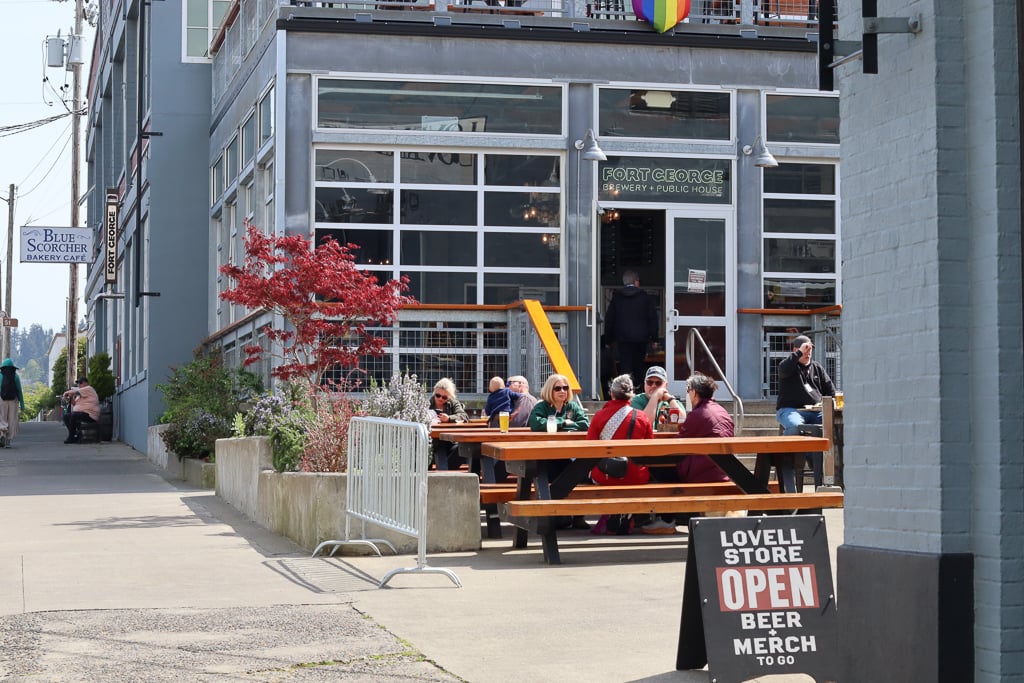
Many of Astoria’s best-known attractions reflect the city’s maritime history and connection to the Columbia River.
The Astoria Column is a 125-foot monument on Coxcomb Hill. Constructed in 1926, its exterior murals illustrate significant events in regional history. Visitors can climb the 164-step interior spiral staircase for panoramic views of the Columbia River, Astoria-Megler Bridge and surrounding Coast Range.
The Columbia River Maritime Museum explores the region’s shipping history, commercial fishing industry and Coast Guard rescue operations. Nearby Fort Clatsop, part of the Lewis and Clark National Historical Park, offers additional insight into the area’s early history.
The Astoria Riverwalk follows the Columbia River waterfront and connects restaurants, breweries, parks, museums and working maritime areas. Reported distances vary depending on the endpoints used, but the developed trail extends approximately five to six miles and runs alongside portions of the historic Astoria Riverfront Trolley route.
Astoria also has a strong independent food and beverage scene, with local destinations including Fort George Brewery and Buoy Beer Company. The seasonal Astoria Sunday Market brings vendors, artists, farmers and food producers into the downtown area.
What is the median home price in Astoria, Oregon?
The answer depends on whether the source measures active listings, completed sales or estimated property values. In August 2026, published figures placed the median listing price at approximately $548,000, while recent median sale-price data was closer to $475,000. Because Astoria is a small and varied market, buyers should review current MLS data and comparable sales for the type of property they are considering.
How much rain does Astoria receive each year?
Astoria receives approximately 80 inches of precipitation annually. Most rainfall occurs between October and May, while July is typically the driest month.
Can you operate an Airbnb or other short-term rental in Astoria?
Possibly, but the property and proposed use must qualify under city regulations. Whole-home, non-owner-occupied vacation rentals require a license, are capped citywide and are limited to eligible commercial zones. Owner-occupied homestays are regulated separately and may include no more than two guest bedrooms. Always verify zoning, license availability and property-specific eligibility with the City of Astoria before purchasing.
How far is Astoria from Portland?
Astoria is approximately 95 to 100 miles from Portland. The drive generally takes about two hours under normal traffic and weather conditions.
When was Astoria founded?
Fort Astoria was established in 1811 by John Jacob Astor’s Pacific Fur Company. Astoria is recognized as the oldest permanent American settlement west of the Rocky Mountains.
Stay up to date on the latest real estate trends.
Discover what it’s like to buy a home in Astoria, Oregon; From historic architecture and Columbia River views to local market trends, coastal weather, rental regulatio… Read more
What Oregon Coast Condo Buyers Need to Know About HOA Costs, Reserves, Assessments, and Rules

Summer's crowds thin out in September, but the coast doesn't slow down. Here's your week-by-week guide so you don't miss any event this September 2026
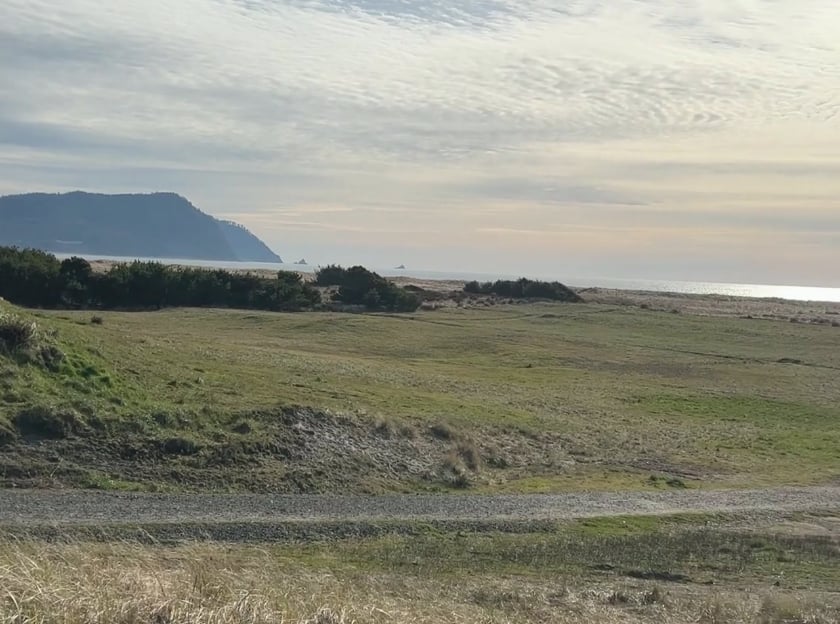
An honest look at daily life in Gearhart, Oregon, the beach, the golf course, and the small-town pace that keeps people coming back

If you’re looking at homes on the Oregon Coast, you’ll probably encounter two terms: flood zone and tsunami zone. And yeah, they are not the same thing.
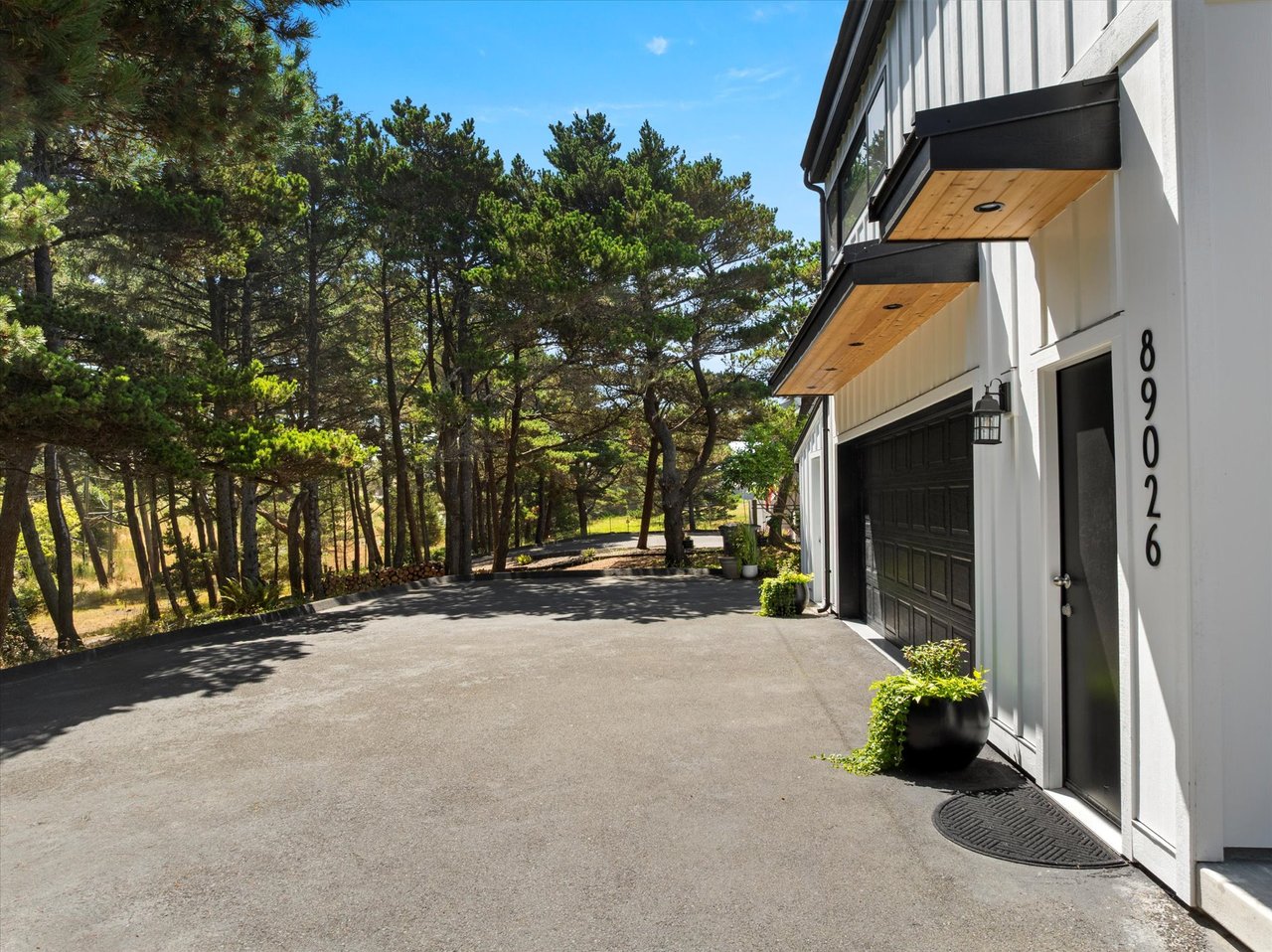
Three distinctive North Oregon Coast properties showcase how views, privacy, nature, and a strong sense of place define Oregon Coast luxury.
You've got questions and we can't wait to answer them.