Home Inspection Pitfalls: What Is Important and What Is Unnecessary Drama
One of the moments that creates anxiety when doing a real estate transaction is the home inspection. The reports the buyers often receive are dozens of pages long, complete with photographs, maintenance recommendations, and lists of deficiencies that can make even a well-maintained home seem chaotic. But the truth is that nearly every home will have inspection findings. The key is knowing which items deserve careful attention and which are simply not that big of a deal.
For buyers considering homes for sale on the Oregon Coast, understanding the difference can save unnecessary stress and help you make confident decisions.
The purpose of a home inspection is to know the home's current condition and identify safety concerns, deferred maintenance, and potential repair items. Most inspectors are intentionally thorough in their reports because they want buyers to have complete information about the home before they decide to buy it.
That's why a long inspection report doesn't necessarily mean there's a bad house; it usually means there's a thorough inspector.
Some inspection findings deserve serious evaluation because they can affect safety, structural integrity, or result in expensive repairs.
Foundation movement, major settling, sagging floors, or structural framing issues should always be evaluated further. While not every crack in concrete is cause for concern, significant movement or structural damage deserves expert attention.
On the Oregon Coast, roofs endure heavy rain, strong winds, salt air, and occasional storms.
So it is important to keep an eye on signs of active leaks, missing shingles, failing flashing, or an aging roof nearing the end of its lifespan, as these can become significant expenses after closing.
Moisture is one of the biggest concerns for coastal homes.
Pay close attention to:
Active leaks
Water damage
Poor drainage
Rot
Mold resulting from ongoing moisture
Water intrusion can lead to larger structural issues if left unresolved.
Older wiring, overloaded electrical panels, improper wiring modifications, or outdated components may present safety concerns.
These issues are often repairable but deserve prompt attention.
Major plumbing leaks, failing sewer lines, water pressure issues, or aging plumbing systems should be evaluated carefully.
Replacing a furnace or heat pump can represent a substantial investment.
An inspection that identifies an aging or malfunctioning HVAC system may influence negotiations or future budgeting.
Many inspection reports contain dozens of recommendations that are common for almost every home.
Small cracks around doors, windows, or ceilings are common as homes naturally settle over time. Most are cosmetic rather than structural.
Humidity changes on the Oregon Coast can cause wood to expand and contract throughout the seasons. But a sticking window doesn't necessarily indicate structural movement.
Inspectors frequently recommend replacing caulk around tubs, windows, sinks, and exterior trim. This is usually routine maintenance, not a major defect.
Loose railings are common and typically inexpensive to repair.
Many older homes were built before current electrical standards.
Installing modern GFCI protection in kitchens, bathrooms, garages, or exterior outlets is usually a straightforward upgrade.
Paint touch-ups, weathered trim, or deck maintenance are all expected maintenance items, especially in a coastal climate.
A home inspection is one of the most valuable tools in the home-buying process, but it shouldn't become a source of unnecessary panic. Many homes with excellent long-term value come with a list of minor repairs. Likewise, a beautifully remodeled home can still hide expensive structural issues. The goal isn't to find a perfect home. It's to understand the home's condition so you can make an informed decision.
Not every recommendation requires renegotiation, and not every defect should end the transaction.
A: Not necessarily. A thorough home inspection report is often 20 to 60 pages long and includes everything from routine maintenance recommendations to major repair concerns. The length of the report is less important than the severity of the issues identified. Even well-maintained homes typically generate lengthy reports because inspectors document every observation they make.
A: The most significant concerns usually involve structural issues, foundation movement, roof damage, active water intrusion, electrical safety hazards, plumbing problems, and failing heating or cooling systems. These types of issues can affect the home's safety, value, and long-term maintenance costs and should be evaluated carefully.
A: Usually not. Cosmetic concerns such as chipped paint, worn caulking, small drywall cracks and loose cabinet hardware are common in homes of all ages. These items are generally inexpensive to repair and are considered part of normal homeownership rather than deal breakers.
A: Homes near the Pacific Ocean are exposed to salt air, moisture, wind, and frequent rain throughout the year. These conditions can accelerate wear on roofing, exterior paint, decks, windows, and metal components. Regular maintenance helps protect a coastal home's value and extend the life of its major systems.
A: Yes. Within the timeline of the inspection contingency you may ask for repairs. In Oregon typically home inspection contingencies are lifted once repairs have been agreed to by both parties. Depending on the inspection findings, buyers may request repairs, negotiate a credit toward closing costs, ask for a price reduction, or simply accept the home's condition. The best approach depends on the severity of the issues, current market conditions, and the terms of the purchase agreement.
A: No. Home inspection reports are informational documents, not repair checklists. Sellers are generally not obligated to repair every item listed. Most negotiations focus on health, safety, structural concerns, or major systems rather than routine maintenance or cosmetic issues.
A: Sometimes. If an inspector identifies concerns involving the foundation, roof, chimney, sewer line, mold, or electrical system, it's often wise to have the issue evaluated by a qualified specialist. A second opinion can help determine the scope of repairs and provide more accurate cost estimates.
A: Coastal homes face unique environmental conditions that require specialized knowledge. Moisture management, drainage, ventilation, corrosion from salt air, and weather exposure are all factors that should be considered during the inspection process. Working with experienced local professionals can help buyers understand what is typical for the area and what may require further attention.
Learn About Northern Oregon Coast Communities: https://saltairehomes.com/neighborhoods/
Browse Available Homes: https://saltairehomes.com/properties
Connect with Saltaire Agent: https://saltairehomes.com/about-us
Stay up to date on the latest real estate trends.

If you’re looking at homes on the Oregon Coast, you’ll probably encounter two terms: flood zone and tsunami zone. And yeah, they are not the same thing.
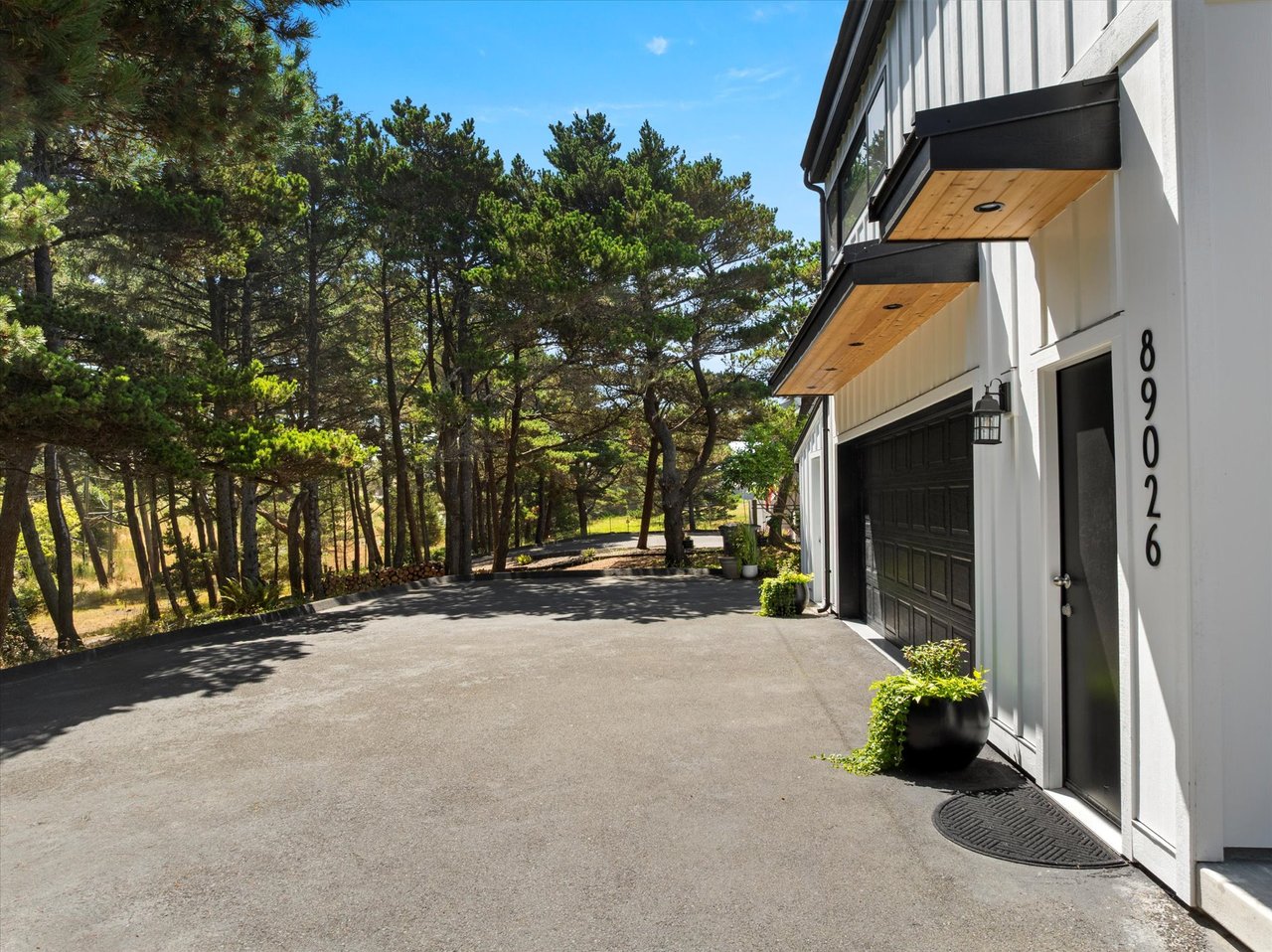
Three distinctive North Oregon Coast properties showcase how views, privacy, nature, and a strong sense of place define Oregon Coast luxury.
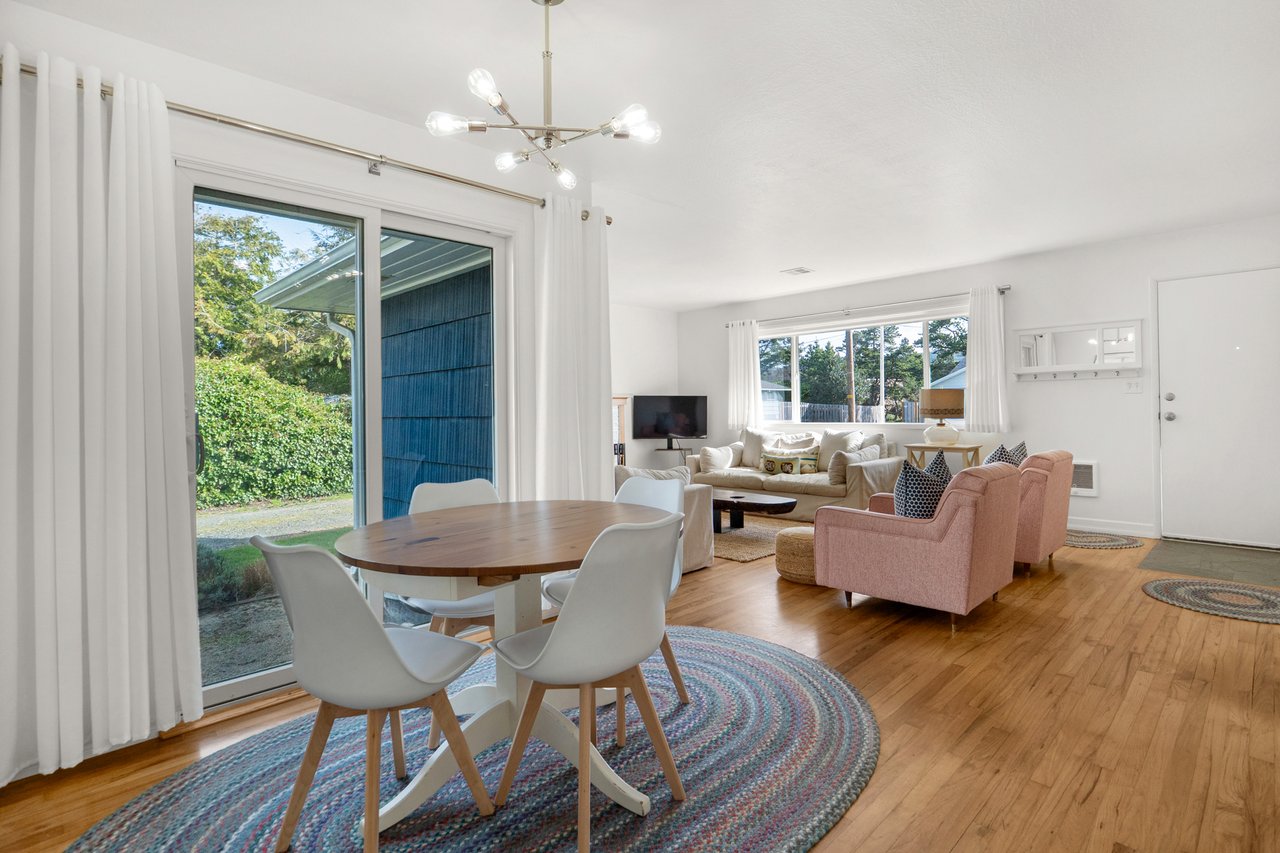
What makes a coastal home a lasting investment? Explore the local factors, from location and ocean views to construction quality and community trends.
Learn how to distinguish between serious home inspection concerns and minor cosmetic issues when buying a home on the Oregon Coast. Learn what deserves attention and w… Read more

From the world's largest beach volleyball tournament to Astoria's 132-year-old Regatta, here's what's happening in Seaside, Astoria, and Cannon Beach this August.

Discover the best patios and outdoor dining on the Northern Oregon Coast, from Cannon Beach to Astoria. Enjoy fresh seafood, local favorites, and unforgettable coastal… Read more
You've got questions and we can't wait to answer them.